Slow Is a Skill: Relearning Easy Miles in a Fife Winter
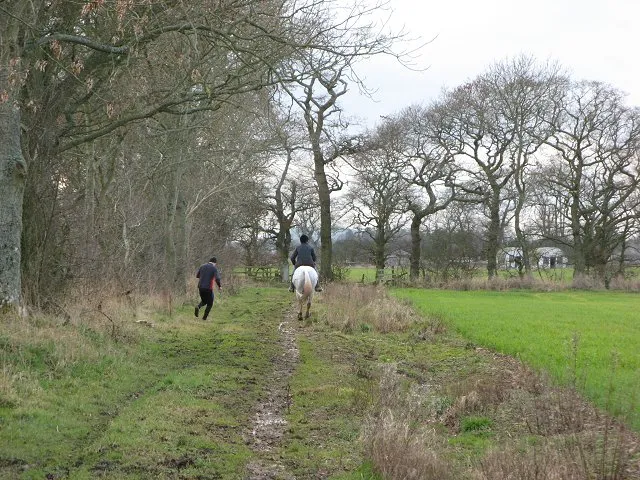
Photo: Sham, CC BY-SA 4.0, via Wikimedia Commons
Easy is the most overworked word in club running. It appears on training plans, in coach emails and in the pre-run chat outside the sports centre, usually followed by a hopeful shrug. Then the watch beeps, the first hill arrives, and a recovery run quietly becomes a tempo session with better manners. Winter makes the problem worse. Cold air, headtorches, muddy corners and the mild panic of a Strava segment can turn even a gentle loop into something that feels like a race.
The twenty-minute rule is a simple antidote: treat the first twenty minutes of any winter run as a warm-up you refuse to win. If you cannot keep the effort almost embarrassingly low for that long, the run is already too hard. It is not a law of athletics, and no one is handing out certificates. It is just a useful habit for a club where the same word — easy — has to cover a first-timer’s social lap and a seasoned racer’s recovery jog.
The word that starts arguments
Ask five runners what easy means and you will get five different answers, each delivered with total confidence. One will say it means conversational. Another will say it means nose breathing. A third will quote a heart-rate zone, a fourth will mention pace, and a fifth will say they just know. The truth is that easy is a effort level, not a number, and effort is affected by weather, terrain, sleep, stress and whether you are running into a Fife headwind that seems personally offended by your existence.
Fife AC coaches tend to come back to the same practical test: could you hold a conversation in full sentences? Not a grunt, not a single-word reply, not a dramatic wheeze between words. Actual sentences. If you can chat about the weather, the state of the coastal path or what you are having for tea, you are probably in the right place. If you are counting lampposts until the next turn, you have drifted.
Another useful marker is effort out of ten. Most easy running should sit around three or four. It should feel like something you could repeat tomorrow without dread. In winter, add a layer of patience. Cold muscles, stiff joints and heavy shoes can make the same pace feel harder than it did in June. That is not a fitness crisis. It is just November.
Why slower builds a stronger spring
The case for easy running is not glamorous, which is probably why so many runners ignore it. Easy miles build the aerobic engine without demanding the recovery that hard sessions do. They help capillaries, mitochondria and all the unglamorous plumbing that makes racing possible. They also let you stack up consistent weeks without turning every run into a small competition.
The classic mistake is the grey zone: running not quite easy enough to recover, not quite hard enough to sharpen. It feels productive because you finish tired, but it leaves you flat for the sessions that actually matter. A winter of grey-zone running can leave a runner fit-ish and permanently knackered by February. A winter of genuinely easy miles, punctuated by proper hard work, tends to leave you fresher and more robust when the spring races arrive.
There is a Fife-specific wrinkle here. Our terrain is not a treadmill. A flat loop along the coast feels very different from a climb into the Lomond Hills, and a muddy trail can add minutes without adding effort. Easy does not mean avoiding hills; it means running them honestly. Walk the steep bits if you need to. Slow down on the descents if your legs are tired. The goal is the right effort, not a tidy average pace.
The Fife winter test
Winter running in the Kingdom asks a lot of the easy run. It is dark, it is often wet, and the layers that keep you warm can also make you feel like you are running in a duvet. A few adjustments help.
Start colder than you think you should. You will warm up within ten minutes, and you will be less likely to overheat on the second half. Use a headtorch on unlit paths, keep one ear open if you are running near traffic, and choose routes that are safe and familiar rather than heroic. If the pavements are icy, the easy run becomes a walk or a treadmill session. That is not failure. That is judgement.
Leave the pace screen alone. Cover the watch, switch the display to time and heart rate, or run with someone who chats. If you must check pace, check it after twenty minutes, not after two. By then your body has warmed up and the numbers are more honest. Even then, compare effort rather than ego.
On club runs, make the chat-pace group a real group. The fastest runner in a mixed-ability club should be able to run easily too, and the newest member should not feel like a speed bump. A simple rule works well: if you cannot talk, you are not on the easy run. You are on a workout that has lost its label.
How to stop the accidental time trial
Most accidental time trials begin with good intentions and a fast first kilometre. The fix is not complicated. Run by time rather than distance. Turn around before you feel like turning around. Put the watch on your non-dominant wrist and forget it exists. Choose a route with loops so you can bail out early without a long walk home. Finish with a few relaxed strides if you want to wake the legs up, but keep the bulk of the run gentle.
It also helps to change the club culture around easy days. Celebrate the recovery run. Ask each other whether the run felt easy, not what pace it was. Coaches can name the intention before the session: this is a chat run, this is a steady run, this is a hard session. Language matters. If everything is called easy, everything becomes medium-hard by default.
The twenty-minute rule is not magic. It is just a small promise to yourself: start slowly enough that you could keep going, and let the run stay a run. In a Fife winter, that might be the most valuable skill of all.