Mugs, Miles and Marmalade: The Café Stops That Keep Fife AC Together
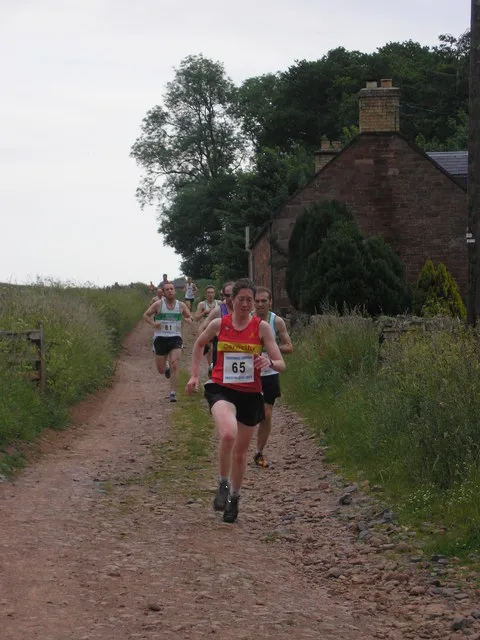
Saturday morning in Fife has a rhythm. Car doors, chat, a few reluctant stretches, then the long shuffle out along a coastal path or up a quiet lane. But the run is only half the ritual. The other half smells of coffee, toasted teacakes and wet waterproofs drying on the back of a chair.
As the clocks have gone back and the 2026 winter season settles in, it feels like the right moment to celebrate the places where Fife AC runners regroup. This is not a definitive directory, and it is not a review of every flat white between the Forth and the Tay. It is a trail of the cafés, bakeries and community halls that do the quiet work of keeping a club connected.
The Third Half
Every runner knows the first half of a weekend run is the miles and the second half is the shower. The third half is the table. It is where the fast group and the back group finally sit down together, where a first-timer admits they were nervous, where someone finds a lift to the next race, and where a coach hears the sentence that changes next week's session.
Cafés matter to a club because they are neutral ground. You do not need to be quick to belong at a table. You just need to turn up, order something and move your bag so someone else can sit down. That sounds small. It is not. For plenty of Fife AC members, the post-run stop is the reason they came back after their first outing.
The Post-Run Table: A Short Etiquette Guide
A good café stop is a two-way relationship. Here is the unofficial Fife AC code.
- Buy something. Even if it is just a pot of tea, a traybake or a bottle of water. You are a customer first and a muddy legend second.
- Check the shoes. If the café has a mat, use it. If it does not, take the worst of the mud off outside. Nobody wants a Fife coastal path souvenir across the floor.
- Do not colonise the room. A group of twelve is a party; a group of twelve spread across every table is a takeover. Push tables together only if the staff say it is fine.
- Order at the counter, not from the queue. And if the queue is out the door, one person can collect the group order.
- Tip if you can. Small independent places are running on thin margins, and a group of cheerful runners is lovely until the sixth round of tap water arrives.
- Ask about closing time. Winter hours in Fife villages can be shorter than your long run.
A Café Trail for Fife AC Weekends
Falkland: the village bakery stop. After a loop around the lower paths beneath East Lomond, Falkland is a natural place to land. The village has a proper weekend feel, with walkers, cyclists and runners all queuing for the same bakery counter. Get there before the lunch rush if you want a seat, and take your coffee outside if the sun has made a rare November appearance.
Cupar: soup and a roll by the Crossgate. Cupar is a good halfway house for routes that use the quieter roads and riverside paths. The independent cafés around the centre are used to outdoor types, and a bowl of soup is one of the great post-run recovery meals. It is also close enough to the station for members who have travelled in from elsewhere.
St Andrews: harbour-side refuel. A West Sands loop or a coastal out-and-back earns a stop near the harbour. The trick is timing. St Andrews at eleven on a Saturday can be busy, so the earlier club runs tend to get the better tables. If you are in a big group, split up, order sensibly and meet outside. The sea air is part of the recovery.
Anstruther and Crail: the coastal caution. The East Neuk is gorgeous and exposed in equal measure. A winter run along the coastal path deserves a warm café, but check the seasonal hours before you promise a new member a hot chocolate at the finish. In summer, the same stop is a different beast: busier, slower, and best approached with patience.
Kirkcaldy: the seafront recovery. A Ravenscraig loop or a seafront out-and-back has a built-in reward: a café not far from the car park. This is the kind of stop where a quick coffee turns into an hour of chat about shoes, race entries and someone's dodgy knee. That is not a delay. That is club business.
Aberdour and the village hall tea. Cross-country and winter league days remind us that the best café in Fife sometimes has a trestle table and an urn. Village halls do not need a fancy menu. They need a rota, a kettle, a tray of sandwiches and someone who remembered the milk. The queue for tea after a muddy race is one of the most Fife AC scenes there is.
Village Halls Are the Real Clubhouses
We should say it plainly: community halls are the unsung cafés of the Fife running calendar. They host registration, results, junior races and the sort of post-race gathering where nobody cares how fast you were. They are also affordable, accessible and usually run by volunteers who have given up their Saturday morning for the same reason we are all there.
The same etiquette applies, only more so. Bring cash if you can. Clear your tray. Say thank you. Offer to help stack chairs. And if you are the first to finish, do not disappear before the last runner is back. The hall is where that final finisher gets their applause and their tea.
Why the Table Matters
Fife AC is spread across a big, beautiful, awkwardly shaped kingdom. Members come from Dunfermline and Dalgety Bay, Cupar and Crail, Leven and Glenrothes. The weekly run is the glue, but the café is where the glue sets. It is where a nervous newcomer becomes a familiar face, where a fast runner hears what the back of the pack actually needs, and where the club remembers that it is a social thing as much as a sporting one.
So next time you pull on the shoes for a Fife AC weekend, leave a little room after the run. Not just for the cooldown, and not just for the stretch you will probably skip. Leave room for the table. Order the tea. Move your bag. Wave the last person over. That is how a running club stays a community.