High-Vis Heroes: Inside the Volunteer Crew That Keeps Fife AC Racing
Photo: Pazi Shacham, CC BY-SA 4.0, via Wikimedia Commons
You know the race-day feeling. The nervous chatter at registration, the smell of coffee from a flask, the sight of a familiar high-vis jacket pointing you towards the start. It all looks effortless from the queue for the loo. Behind the scenes, it is anything but.
As we look ahead to the 2026 season, Fife AC will need marshals, timekeepers, finish-funnel helpers, refreshment crews and cheerful faces at registration. None of it requires a coaching badge or a sub-three marathon. It requires a bit of time, a decent pair of gloves and the willingness to cheer for people you have never met.
The 7am crew
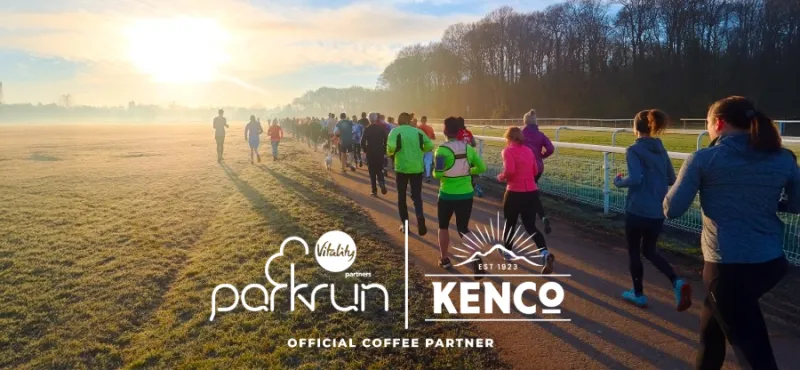
Long before the first runner arrives, a small army is already on site. Someone is wrestling a gazebo into position. Someone else is walking the course with a box of arrows. There is usually a debate about whether the finish line is in exactly the right spot, followed by a sensible decision to move it two metres to the left.
Shona, a regular marshal at club events, describes the early shift as her favourite part of the day. 'It's quiet, it's usually freezing, and you get to see the sun come up over a bit of Fife that most people drive past without noticing,' she says. 'Then the runners arrive and the whole place comes alive.'
That transformation is the marshal's reward. One minute you are standing at a junction with a thermos. The next you are the person who tells a nervous first-timer that yes, this really is the right way, and no, the hill is not as bad as it looks.
More than pointing
Marshalling is often described as pointing and clapping. It is that, but it is also navigation, reassurance and the occasional bit of crisis management. A marshal might spot a runner who has taken a wrong turn, flag a cyclist on a blind bend, or talk a worried parent through where the finish funnel is.
Timekeepers have the focused job of making sure every finish is recorded fairly. Finish-funnel volunteers keep the queue moving and make sure nobody is missed. Refreshment crews hand out water, slices of orange and the kind of traybake that tastes like a small victory. Registration desks turn a shoebox of entries into a smooth start line. Tail runners bring up the rear and make sure nobody is left behind.
Training is simpler than people expect. New volunteers get a briefing before the event, shadow an experienced hand, and learn the route and radio protocol in plenty of time. First aid cover is in place, and there is always someone to ask. You do not need to know the course like the back of your hand on day one. You just need to turn up and be willing to learn.
What volunteers actually see
The best stories rarely make the results page. There is the runner who finishes their first 10K and bursts into tears. The junior who sprints the last 100 metres because a marshal told them they were nearly there. The dog that escapes from a spectator and joins the race for a quarter of a mile. The car keys lost in the long grass. The muddy shoe left behind in the finish funnel.
Volunteers see the race from the inside out. They see the effort on every face, not just the winners. They see the back-of-the-pack runners who are digging deeper than anyone. They see the clubmates who stay behind to cheer the last finisher home.
Margaret, who has helped at refreshment stations for years, says the role is social as much as practical. 'You get a blether with people you only ever see at races,' she says. 'And you get the best seat in the house. I'd rather be handing out water and cheering than standing at the side wondering what's happening.'
Why it matters
Local races only exist because people give up a few hours. Fife AC is lucky to have a loyal group of volunteers, but every club event needs fresh faces. More volunteers mean safer courses, smoother finishes and less pressure on the same small crew who seem to be everywhere at once.
There is also something in it for you. Volunteering is a brilliant way to meet clubmates if you are new, to stay involved while injured, or to give something back without committing to a full season of racing. It builds confidence, looks good on a CV, and comes with a decent amount of tea.
How to get involved
Keep an eye on the club newsletter and event notices for volunteer sign-up links. If you are racing, ask a friend or family member to help out for an hour. If you are recovering from a niggle, offer to marshal. If you have never done it before, say so. Someone will show you the ropes.
You do not need to be loud, although it helps. You do not need to know every rule, although you will pick them up. You just need to be there. Fife AC's races are built on people who stand in the cold, point in the right direction and clap until their hands sting. There is always room for one more.