First Mud, Then Belonging: A Newcomer’s Field Guide to Fife Cross-Country

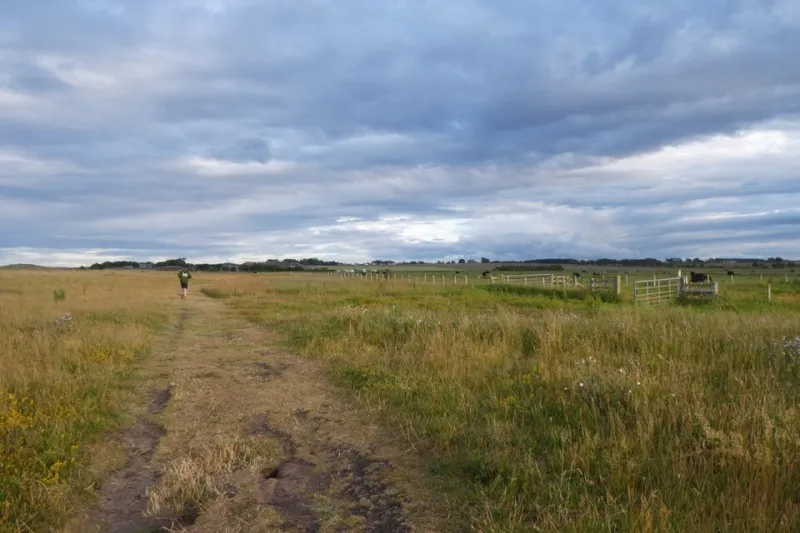
Photo: King Februarius, CC0, via Wikimedia Commons
The 2026 cross-country season is already doing what it does best: turning perfectly good stretches of Fife parkland into a glorious, gloopy playground. If your racing CV so far is parkruns, road 10Ks and the occasional hill session, a first cross-country race can feel like a different sport. It is. But it is also one of the most welcoming corners of winter running in the Kingdom.
This is not a guide to winning. It is a guide to arriving, surviving the first corner, and discovering that finishing somewhere in the middle of a muddy field is a result worth celebrating.
Before the gun: expect a happy sort of chaos
Cross-country races have their own rhythm. You will register, pin on a number, queue for the toilet, watch someone warming up in shorts while someone else wears three layers, and then suddenly realise the start is five minutes away. Fife AC races are no different. The atmosphere is busy but friendly, and there is usually a volunteer nearby who can point you towards the right field, the right queue or the right person to ask about the course.
Courses are often lap-based, which helps. You get a chance to learn the ground underfoot before the pace really bites. Expect grass, mud, maybe a short sharp climb, a turn that arrives sooner than you think, and a finish straight that feels twice as long as it looked on the walk round. None of that is a problem. It is the point.
Dress for the weather, not the photographs
Cross-country kit is less about looking sharp and more about staying warm before the start, staying sensible during the race and getting dry afterwards. A club vest over a thin long-sleeve base layer is a good starting point. Cotton is best left at home. Shorts or tights are both fine; pick what you will be comfortable in once you are muddy and moving.
Shoes matter, but not as much as newcomers fear. If you already have trail shoes with decent grip, start there. Cross-country spikes are brilliant in proper mud, but a first race is not the moment to buy the most aggressive pair on the shelf. Ask around the club, borrow if you can, and remember that the best shoe is the one that lets you relax. Bring spare socks. Bring a towel. Bring dry clothes in a bag. A bin bag to sit on is a small luxury you will appreciate later.
Also pack gloves, a hat and a warm layer for before and after. Fife weather in November has a sense of humour, and standing around after the finish cools you down fast.
The first corner is not the finish line
The start of a cross-country race can feel like a sprint. It is not. The charge to the first corner is noisy, crowded and quick, but it is rarely where the race is decided. Go with the flow, stay on your feet and resist the urge to chase runners who are clearly operating at a different level. Find a rhythm you can hold. If that means letting a few people go, let them go.
On narrow sections, be patient. On hills, shorten your stride and keep your effort steady. On muddy descents, stay relaxed and look a few steps ahead. If you need to walk a steep bit, walk it. Plenty of experienced cross-country runners do exactly that. The aim is to finish strong, not to win the first 400 metres.
Mid-pack is not a consolation prize. Cross-country fields are full of different abilities, and every finisher adds to the day. When you cross the line, muddy and breathing hard, you will have done something that road racing rarely asks of you: you will have stayed in the fight when the ground got awkward. That is a victory worth celebrating.
The people who make the mud welcoming
Fife AC cross-country races depend on volunteers who stand in the cold, point the way, warn you about roots and clap every single runner through. They are the reason a first-timer can turn up nervous and leave grinning. Say thanks if you can. It costs nothing and means plenty.
The local scene helps too. Cross-country in the Kingdom has a proper community feel, with clubs travelling to the same winter fixtures and familiar faces appearing at the finish. You will hear stories about courses that were muddier last year, hills that felt bigger in the rain and cakes that justified the journey. Some of it may even be true.
After the line: get warm, get fed, stick around
Once you finish, keep moving. Grab dry clothes, change out of wet shoes and get something to eat and drink. Results can take a little while, and there is no rush. Stick around for the finish-line cheers. Watching the last runners come home is often the best part of the day.
Then ask questions. Where do people train? What is the next race? Is there a lift going? Fife AC is built on people who turned up once, felt a bit unsure, and came back the following week. Your first cross-country race does not need to be fast. It just needs to happen.
Bring the spare socks. Embrace the mud. Finish mid-pack with a story to tell.