The Borrowed Spikes Club: How Fife AC's Juniors Find Their Feet

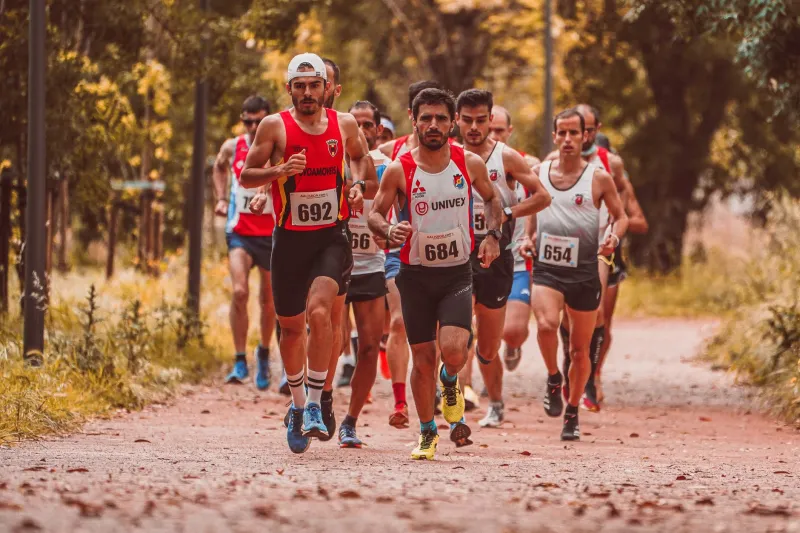
Photo by Photo by BEN ELLIOTT on Unsplash on Unsplash
There is a particular sound at a junior training night in Fife. It is not the clatter of spikes on tarmac, or the shout of a coach with a stopwatch. It is the zip of a kit bag being opened for the first time, followed by a quiet question: “Is this the right group?”
For plenty of young runners, that question is the whole first season in miniature. They arrive with new shoes, old nerves and a parent hovering near the clubhouse door. By the end of the evening they are usually somewhere on the far side of the pitch, laughing at something that has nothing to do with running at all. That shift — from outsider to part of the pack — is what Fife AC’s junior setup is quietly built around.
The first ten minutes
The opening part of a junior session rarely looks like serious athletics. There is a register, a briefing, a few names being learned. Coaches check laces, ask about school days and gently work out who has run before and who has not. A child who has never pinned on a number can stand beside one who has raced cross-country since primary school, and for a few minutes nobody is too bothered about the difference.
That is deliberate. The early weeks are about lowering the temperature. Coaches keep instructions short, groups small and the first efforts manageable. A lap might be broken into walk-jog-run chunks. A drill might be turned into a game. The aim is not to find the fastest child in Fife on a Tuesday evening in autumn; it is to make sure everyone leaves knowing where to stand next week.
Parents and carers play a bigger part than they sometimes realise. They are the ones doing the quiet logistics: the half-term lift from Glenrothes, the flask in the boot, the spare socks that live permanently in the car. They are also the ones who can make a first night feel normal by simply not asking too much on the way home. “Did you enjoy it?” lands better than “How fast were you?” almost every time.
A box of borrowed spikes
Ask around a junior section and you will hear about the kit that gets passed on. Spikes that fit for one season, a waterproof that has done the rounds, a club vest borrowed for a first race. It is not glamorous, but it is one of the most practical forms of welcome a club can offer. A young runner who is worried about having the wrong shoes is a young runner who is not yet thinking about the actual running.
Coaches keep an eye on that. They know that a first cross-country race can be a leap into the unknown: mud, hills, a start line that feels enormous, and the sudden discovery that everyone else seems to know exactly what they are doing. The Fife leagues and the local cross-country circuit offer a gentle introduction, with familiar faces on the sidelines and plenty of clubmates spread through the field.
For the adults, the small rituals matter too. The team tent that becomes a meeting point. The post-race snack that is somehow more important than the result. The parent volunteer who walks the course with a nervous first-timer and points out where the ground gets boggy. These are not the bits that make the results page. They are the bits that make a child come back.
What the stopwatch cannot show
Junior sport is easy to measure badly. Times and placings are visible, shareable and tempting to treat as the whole story. But a first season is full of progress that never appears in a results list: the runner who no longer needs to be told where the start is; the one who speaks to a teammate without being prompted; the one who finishes a tough session and says, almost casually, “That was alright.”
Coaches tend to talk about consistency before performance. A junior who turns up through the dark nights of November, remembers their kit and enjoys the company is building something more durable than a fast 800 metres in September. The same goes for the parents who keep the routine going when homework, weather and weekend plans all compete for attention.
That is not to say times do not matter. They do, eventually, for those who want to race and improve. Fife AC’s junior pathway gives young athletes a chance to test themselves at local events, try different distances and discover what kind of runner they might be. But the club’s first job is to keep the door open long enough for that discovery to happen.
The season after the first season
By the time the cross-country season reaches its muddy peak, the newcomers are no longer newcomers. They know where to leave their bags. They know which coach likes a warm-up done properly and which one will notice if they have had a tough day at school. They have probably lent someone a spare hair tie, or cheered a clubmate up a hill.
That is the real marker of a first season: not a personal best, but a place in the routine. The borrowed spikes get returned, or passed on again. The nervous parent at the clubhouse door becomes the one holding the flask and asking someone else’s child if they have enough layers. The club keeps rolling, one small confidence boost at a time.
Success, in junior athletics, looks a lot like that. A young runner who feels at home in a Fife AC group is more likely to stay in the sport, race when it suits them and perhaps come back years later to help someone else find their feet. Small spikes, big futures — and a fair amount of mud in between.