The Quiet Arithmetic of Race Day: Inside Fife AC’s Pacing Volunteers
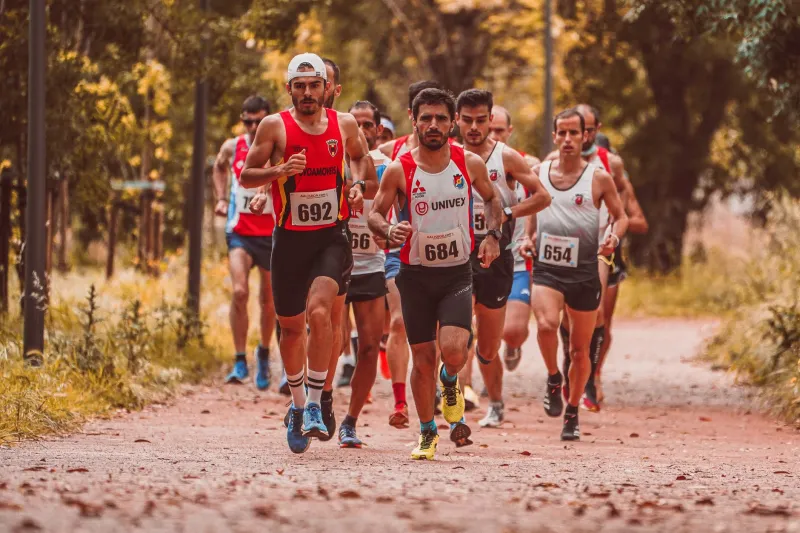
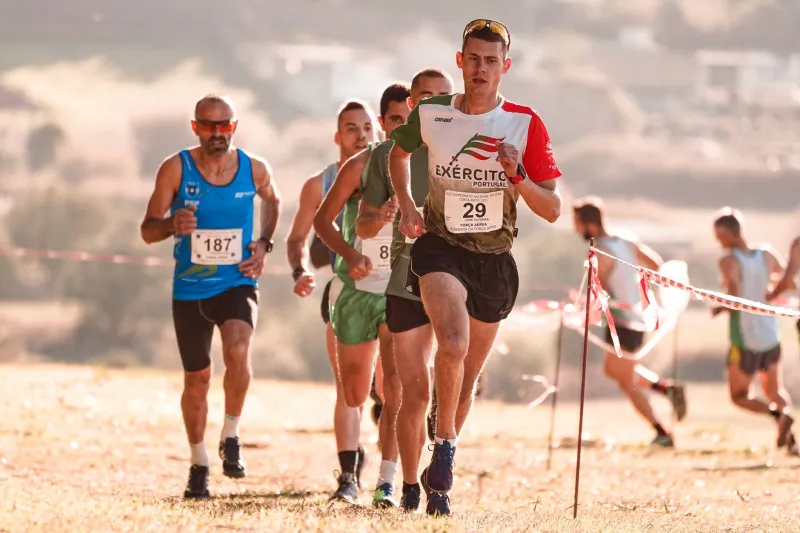
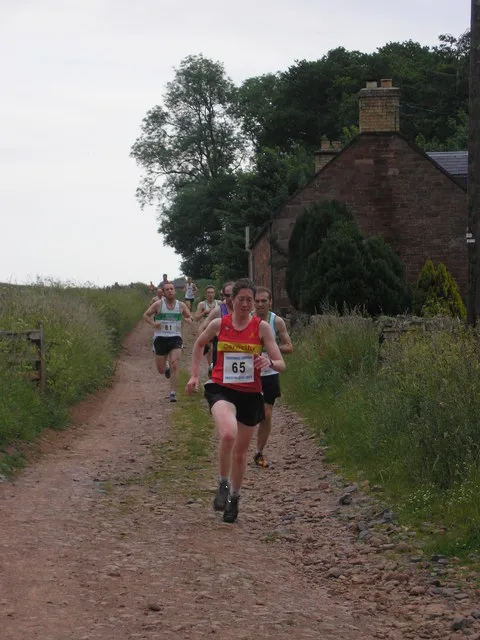
Race day at a Fife event often starts with a small huddle near the registration tent. There are bibs, safety pins, a few nervous jokes about the weather, and someone holding a stopwatch as if it were a very important biscuit. These are the club’s pacing volunteers: runners who have swapped their own race number for a target time and a group of strangers who, for the next hour or three, will become something like teammates.
Pacing is one of those quiet club services that is easy to overlook until you need it. It does not shout for attention. It does not usually produce a dramatic photograph at the finish. But it helps more people get round comfortably, finish strongly and come back for another race. That is worth celebrating.
What a pacer actually does
On paper, the job is simple: run a set time and help others do the same. In practice, it is a mix of arithmetic, observation and crowd control. A pacer might be responsible for a target such as 45 minutes for 10K, two hours for a half marathon or a steady club-training pace. Before the race, they work out what that means in real terms: average pace per kilometre or mile, where the hills will slow the group, where the wind might push them along, and where they can afford to ease back without losing the target.
Good pacing is not about running every kilometre at exactly the same speed. Courses are not flat and conditions are not polite. The best pacers think in terms of even effort. They will take the climbs a little easier, use the descents sensibly and keep the group together through the messy middle miles. They will also know the difference between a target time and a promise. A pacer can give you a calm, sensible framework; they cannot control the weather, the crowd or how your legs feel on the day.
You will often spot them by the pacing bib or the small cluster of runners asking, ‘Is this the two-hour group?’ That question is usually followed by a quick briefing: what pace we are aiming for, where the water stations are, and whether anyone has a particular plan. It is not a military operation. It is more like a rolling conversation with a stopwatch attached.
The brief before the gun
Fife AC’s pacing volunteers tend to be experienced club runners, but that does not mean they treat pacing as an easy jog. Choosing target times is part of the craft. A pacer needs to be honest about what a group can realistically achieve and comfortable enough at that pace to talk, steer and keep an eye on the people around them. The aim is not to tow a handful of athletes to a fast time. It is to make a sensible target feel manageable for a wider group.
That is why pacing is a club service rather than a solo challenge. It takes volunteers who are willing to give up their own race, stand in a briefing, learn the course and keep their ego in the kit bag. It also takes organisers who can match the right pacers to the right target times. When it works, you get a spread of groups on the start line: first-timers with a realistic goal, returners chasing a confidence boost, and experienced runners using the group to hold back early and finish well.
The stopwatch is a tool, not a judge. The best pacers use it to keep the group on track, not to make anyone feel small. If someone is struggling, the useful question is not ‘Why are you slower than the target?’ It is ‘Do you want to stay with us, drop back a little, or ease off and see how you feel?’ That is the difference between pacing and pressure.
Your first time with a pacer
If you have never run with a pacing group, the first rule is to choose your group by recent form rather than wishful thinking. A pacer can help you run a sensible race, but they cannot magic a target time out of a training block that has not happened. Pick a group that matches what you have done in training or in a recent race, not the time you would like to have done in a perfect world.
Second, ask about the plan before the start. Is the group aiming for even pace, a slightly quicker second half or a steady effort over a hilly course? Will the pacer slow on the climbs and use the descents? Are they working to gun time or chip time? These small details make a big difference to how the race feels.
Third, start calmly. It is easy to get swept along by the excitement of the first kilometre and then spend the rest of the race paying for it. Sit in the group, keep the chat going if you can, and let the pacer do the thinking about splits. If you feel good in the final mile, you can always ease ahead. If you feel rough, dropping back is not a failure. The group is there to help you finish strongly, not to trap you into someone else’s race.
And if you do use a pacer, say thanks at the finish. They have given up their own chance to chase a time so that others can have a better day out. That is a proper club contribution.
When the group splits
The final mile of any race is where pacing gets interesting. Some runners will kick on, some will fade, and some will discover a reserve they did not know they had. A good pacer expects this. They will keep the group informed, offer a bit of encouragement and let people make their own choices. The aim is not to keep everyone together at all costs. It is to help each runner finish as well as they can.
On a coastal path between Leven and Kirkcaldy, or on the lumpy roads around the Lomonds, that might mean reminding the group to stay relaxed on a drag, or saving a little energy for a exposed section. On a flat course, it might mean holding back when the group is feeling fresh so that the last few kilometres do not become a survival exercise. Either way, the pacer’s job is to keep the arithmetic honest and the atmosphere calm.
Why the club keeps doing it
Pacing is one of the ways Fife AC reaches beyond its own membership. It helps local races feel friendlier, gives newer runners a visible target to aim for and makes the step from training to racing a little less daunting. It also reminds everyone that athletics is not only about the fastest few. Clubs are built on people who marshal, make tea, hand out water, write race reports and run with a stopwatch so that someone else can have a good day.
So the next time you see a pacer in a bright bib, give them a nod. They are not there to hurry you along or make you feel slow. They are there to offer a steady rhythm, a bit of company and a sensible plan for the final mile. In a sport full of personal bests, that quiet service is worth as much as any fast time.